Integrative Hypnotherapy ®

Soothe past wounds to regain security, clarity, and inner balance

Consultations en cabinet à Bures-sur-Yvette (91) et Saint-Malo (35), ainsi qu’en visio – Français & English

Retrouvez équilibre, clarté et sérénité 
through a personalized integrative hypnosis approach , respectful of your pace and your history.
Each session is designed to help you permanently transform your emotional blocks, repetitive behaviors, or psychosomatic pain, while strengthening your internal resources.

Ludovic Seringes, Integrative Hypnotherapist

Ludovic Seringes, Integrative Hypnotherapist

I practice Integrative Clinical Hypnotherapy, developed by the Sakti Institute of Clinical Hypnosis (ISHC) in Paris. This method combines several complementary techniques to offer personalized, effective, and respectful support, such as...

Learn More
SHORT TERM THERAPY

SHORT TERM THERAPY

Brief therapy offers faster results compared to traditional psychotherapies. The goal is to treat the root cause of symptoms, not just alleviate them, for lasting change. This method targets the origins of symptomatic manifestations:

Learn More
THE FIRST SESSION

THE FIRST SESSION

The first session (approximately 1 hour 15 minutes) is dedicated to the anamnesis, that is, gathering essential information to personalize subsequent sessions. It concludes, time permitting, with a hypnosis sequence designed to cultivate positive resources and strengthen your inner security and confidence.

Learn More

Each session is personalized. I work in several areas where integrative hypnotherapy and body-emotion-trauma therapies allow for in-depth work, respecting each individual's pace. The approaches used (Integrative Clinical Hypnosis, EMDR, alternating stimulation, emotional regulation, IFS, heart coherence, etc.) always aim to identify the causes of difficulties, soothe the nervous system, and restore smoother emotional functioning.

Anxiety Disorders (Children, Teens and Adults)

Anxiety Disorders (Children, Teens and Adults)

Stress, generalized anxiety, panic attacks and panic disorder, specific phobias, social phobias and erythrophobia, obsessive-compulsive disorder (OCD), post-traumatic stress disorder, shyness, lack of self-confidence…

Making appointments
Désensibilisation des Traumas

Désensibilisation des Traumas

An integrative approach combining clinical hypnosis, EMDR, alternative stimulation and emotional regulation tools to gently soothe traumatic imprints and restore a deep sense of security and inner peace.

Making appointments
Improving professional or sporting performance

Improving professional or sporting performance

management of limiting emotions (stress) during competitions, meetings, presentations and improving performance ...

Making appointments
Mourning, grief and sorrow

Mourning, grief and sorrow

Gentle support to ease your pain and help you navigate grief at your own pace, through therapeutic approaches that reduce emotional burden and restore your inner resources.

Making appointments
Burnout and emotional exhaustion

Burnout and emotional exhaustion

Burnout is a neurophysiological reaction to prolonged stress. Through regulatory therapeutic approaches, we rebalance your system and desensitize you to triggering events to regain stability and energy.

Making appointments
Insomnia and sleep disorders

Insomnia and sleep disorders

Rediscover peaceful nights by understanding and addressing the true source of your insomnia. Through an integrative approach combining hypnosis, emotional regulation, and desensitization to disturbing experiences, you will relearn to sleep naturally.

Making appointments
Dissociative Identity Disorder (DID)

Dissociative Identity Disorder (DID)

A conversational therapy specializing in supporting internal parts, conducted without hypnosis and in a safe, video-based setting. The work promotes stabilization, the integration of protective and traumatic parts, the transformation of limiting beliefs, and, if necessary, the gentle desensitization of certain traumas. A structured, respectful, and calming approach to strengthen inner harmony and cohesion.

Making appointments
Eating disorders and body image

Eating disorders and body image

An integrative, subtle, and profoundly safe therapeutic approach to alleviate eating disorders by reharmonizing the emotions, traumas, and internal patterns that influence the relationship with the body and food. Through integrative clinical hypnosis, EMDR, alternative stimulation techniques, and emotional regulation tools, the therapy aims to restore a sense of inner balance, emotional stability, and self-confidence—so that food ceases to be a battleground and becomes a space of freedom and serenity.

Making appointments
Gynecological problems and applications in obstetrics

Gynecological problems and applications in obstetrics

amenorrhea, dysmenorrhea, premenstrual discomfort, endometriosis, psychogenic infertility, breast insufficiency, pregnancy-related problems (nausea, vomiting, involuntary emotional abortion, heartburn), increased lactation ...

Making appointments
Gastrointestinal issues

Gastrointestinal issues

Irritable bowel syndrome, constipation, emotional diarrhea…; gastrointestinal disorders often reflect emotional overload or past experiences still active in the body. The support provided aims to soothe the nervous system, release somatic tension, and reharmonize the connection between emotions and digestion for lasting well-being.

Making appointments
Chronic pain and body memory

Chronic pain and body memory

Migraines, tension headaches, arthritis, shingles, phantom pain, etc.; chronic pain often expresses what the body has been trying to contain for a long time: emotional tension, accumulated stress, or traces of trauma. My approach helps to recognize these internal messages, to soothe somato-emotional tensions, and to gradually restore a more comfortable and less painful internal balance.

Making appointments
Dermatological problems

Dermatological problems

Acne vulgaris, psoriasis, eczema, neurodermatitis, warts, alopecia, etc.: The skin often reflects invisible psychological tensions: prolonged stress, hypersensitivity, unresolved emotional experiences, or old wounds. By working on these psychosomatic factors with desensitization and regulation techniques, we help the body regain a profound sense of calm, which has a positive impact on the skin.

Making appointments
Couples therapy

Couples therapy

Therapeutic support for the relationship over 6 to 8 sessions, combining couple sessions and targeted individual sessions.

Video about My Therapeutic Approach
Habits Control

Habits Control

Smoking, alcoholism, procrastination… Working on addictive behaviors often requires prior emotional and psychological stabilization. Preliminary sessions may therefore be offered, or even necessary, in order to address the addiction in a safer environment.

Making appointments
Sexual issues and intimacy

Sexual issues and intimacy

Sexual difficulties can reflect a loss of inner security, emotional tension, or past experiences still present in the body. Within a caring and supportive therapeutic framework, we soothe these internal memories, restore connection to the body, and foster a more fluid, confident, and naturally fulfilling intimacy.

Making appointments


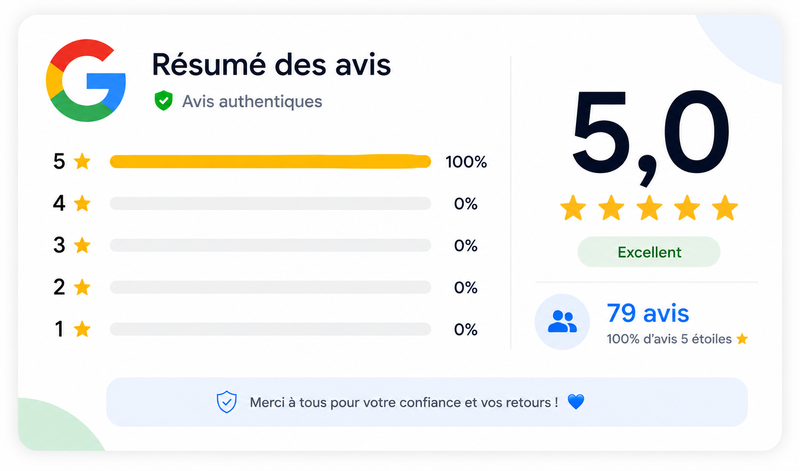
Testimonials given on Google Business

Testimonials given on Google Business

Odile L.: Listening, benevolence and efficiency: thank you Ludovic for this therapy which solved my personal problem and made me progress so quickly!

Eva G.: " After 10 years of psychotherapy where I was at an impasse using my logical brain, Ludovic offered me a new tool that directly touched my heart and my feelings which for years remained blocked and untreated With his soft but firm voice, he guided me to open the doors of my unconscious, in a safe and respectful environment that changed my point of view on hypnosis, beyond recognition. .

Christel V .: "Fast care, and quality support that was effective and valuable for my 15-year-old son. The work focused on managing stress and emotions, and on self-confidence. A lot we have come a long way towards more serenity. Once again, a huge thank you

Read More  
Testimonials given on Doctena.be (Brussels)

Testimonials given on Doctena.be (Brussels)

- Ludovic est une personne très douce, qui arrive à aller chercher des choses et des émotions dont vous n'aviez pas idée, et à les "soigner". Extrêmement anxieux dans ma vie quotidienne, chargé en traumatismes, je mise beaucoup sur l'hypnothérapie, et visiblement ça fonctionne. Petit à petit, des choses s'apaisent, et cela fait grand bien ! Vous pouvez commencer l'hypnothérapie avec Ludovic les yeux fermés. (02/2023)

- J'ai été accompagnée avec bienveillance et professionalisme dans mon projet. Merci (02/2023)

- "excellent thérapeute entre autres spécialisé dans le traitement des traumatismes" (02/2023)

-"Séance assez éprouvante sur le plan émotionnel mais particulièrement constructive." (02/2023)

- "Séance intense et constructive ! " (01/2023)

- "Excellent!" (01/2023)

- "Très bonne première prise de contact! Le travail en séance s'annonce très prometteur!" (01/2023)

- "Accueil, Écoute, accompagnement réconfortant du thérapeute ! Waow !" (12/2022)

- "Great experience and amaizing time that I spend for personal development and value" (11/2022)

- "Perfect, great results!" (11/2022)

- "Great conversation, very easygoing session" (11/2022)

- "Ce n’était qu’un premier rendez-vous mais je suis en confiance et prête à commencer un travail" (11/2022)

- "Tres bonne communication, practicien tres accueillant et a l'écoute, pédagogue. Tres bonne experience pour une premiere fois." (09/2022) 

- "Excellent praticien - humain, patient et bienveillant". (09/2022)     

- "Ludovic est un professionnel très attentif et compétent. Dès la première séance, vous pouvez constater son professionnalisme. Il parvient à vous mettre à l'aise, tout en respectant le temps et les besoins du patient. Chaque session s'est avérée être un voyage guidé pour découvrir une partie de moi-même. Un voyage à l'intérieur de soi que chacun devrait faire. " (07/2022)

- "Very positive impression after first visit. Will definitely continue" (07/2022)

-"I was surprised from my own reactions. The atmosphere was calm and Ludovic has interesting approach. Looking forward to meet him again. I liked it!" (07/2022)

- "He is very patient and positive. Always trying to find the best approach for the specific situation" (07/2022) 



Read More  

“These tools are never used in isolation, but integrated within an individualized support system, respecting the pace and resources of each person.”

EMDR

EMDR

EMDR (Eye Movement Desensitization and Reprocessing) is a therapy developed by American psychologist Francine Shapiro in the 1980s. It uses alternating bilateral stimulation to help patients reprocess traumatic memories and reduce the emotional impact associated with these events. The main goal of EMDR is to unlock painful memories and reprocess them in a more adaptive way in order to reduce their emotional charge.

Video
EFT

EFT

EFT is an energy psychology method that involves tapping on acupuncture points to release emotions. Studies suggest a beneficial effect on regulating stress and emotional responses.

Video
IFS and "ego states"

IFS and "ego states"

Internal Family Systems (IFS) explores the psyche through subpersonalities (exiles, managers, firefighters) guided by the Self. IFS prioritizes emotional validation over reframing. Resilience Therapy integrates it into a quotient map to treat trauma.

Video
Cardiac Coherence

Cardiac Coherence

Heart coherence is a stress management technique that synchronizes heart rate and breathing, offering numerous benefits for physical and mental health.

Video
Polyvagal Theory

Polyvagal Theory

Guide to Vagus Nerve Stimulation and Polyvagal Theory. Stephen Porges' polyvagal theory, popularized by Deb Dana, emphasizes the importance of the autonomic nervous system in well-being. Activating the vagus nerve through various means promotes safety and regulation in the face of stress and trauma.

Video
Mindfulness

Mindfulness

La pleine conscience consiste à porter une attention bienveillante au moment présent pour réguler ses émotions. Promue par Jon Kabat-Zinn et Eckhart Tolle, cette pratique réduit le stress, l'anxiété et l'emprise de l'ego tout en améliorant la santé mentale et le bien-être.

Video
Schema theory

Schema theory

Schema theory, developed by the American psychologist Jeffrey Young, is a psychological approach that aims to understand and treat emotional and behavioral disorders by identifying individuals' dysfunctional cognitive schemas.

Video
My YouTube channel

My YouTube channel

I also present, in the form of short videos, different types of complementary therapeutic approaches that exist in the world of therapies...

YouTube channel

  • Offices in Bures sur Yvette (91) and Saint Malo (35)

Siret: 94999402400014 APE code: 8690F VAT not applicable, art. CGI 293B


The hypnotherapy practice is located 450 m (8') from the "La Hacquinière" RER B station. I welcome you there for brief therapies (integrative hypnosis) for stress, anxiety, trauma, chronic pain, insomnia, etc.Read More


  • Category: Individual consultation
  • Service Length: 01:00 Hours
  • Address: 53 Avenue de l'Yvette, Bures-sur-Yvette, France (Map)
  • More Info: Ground floor - Parking -
  • Price:70


Le cabinet d’hypnothérapie de Saint-Malo vous accueille pour des séances de thérapies brèves et d’hypnose intégrative, dédiées au stress, à l’anxiété, aux traumatismes, au burnout, aux douleurs chroniques, à l’insomnie et aux difficultés émotionnelles.Read More


  • Category: Individual consultation
  • Service Length: 01:00 Hours
  • Address: 56 rue le Pomellec, Saint-Malo, France (Map)
  • More Info: 2ème étage, sans ascenseur
  • Price:70


Hypnotherapy consultations are also offered via video call, in French and English, in a secure and confidential environment. This method provides support that is just as effective as in-person sessions, wherever you are.Read More


  • Category: All
  • Service Length: 01:00 Hours
  • Location:Online Link
  • Price:70


La première séance dure environ 1h15. Elle est principalement consacrée à un temps d’échange approfondi, appelé anamnèse, qui permet de mieux comprendre votre problématique, votre histoire, votre contexte de vie et vos objectifs thérapeutiques.
Ce premier temps est essentiel pour construire un accompagnement ajusté à votre rythme, à vos ressources et à la nature de ce que vous traversez.
En fin de séance, si le temps le permet, un premier travail thérapeutique peut être proposé, souvent sous forme d’hypnose ou d’un temps de régulation, afin d’initier le processus de manière douce et sécurisante.

Oui, dans de nombreux cas, il est possible de travailler un traumatisme sans revivre intensément l’événement.
L’objectif thérapeutique n’est pas de replonger brutalement dans ce qui a été vécu, mais de permettre un travail progressif, suffisamment sécurisé, afin de réduire la charge émotionnelle et somatique associée aux souvenirs traumatiques.
Selon la situation, cela peut passer par des phases préalables de stabilisation, de régulation émotionnelle et de renforcement des ressources internes. Le travail s’adapte toujours au rythme de la personne et à sa capacité d’intégration du moment

Le nombre de séances varie en fonction de la nature de la problématique, de son ancienneté, de son intensité, ainsi que de votre rythme personnel.
Certaines demandes très ciblées peuvent parfois être travaillées en 2 à 3 séances, tandis que d’autres situations, notamment lorsqu’elles impliquent des traumatismes complexes, des difficultés anciennes ou plusieurs problématiques imbriquées, nécessitent un accompagnement plus progressif.
L’objectif n’est pas d’imposer un nombre de séances à l’avance, mais de construire un travail thérapeutique adapté, respectueux de vos besoins et de votre évolution.
À l’issue de la première séance d’anamnèse, il est souvent possible de donner une première estimation, qui reste toutefois indicative et pourra évoluer en fonction du travail thérapeutique.

Il n’est pas toujours possible de le savoir à l’avance avec certitude, mais certains éléments peuvent vous orienter.
Si vous recherchez un accompagnement qui tienne compte à la fois de l’histoire de vie, des émotions, du corps, des symptômes et du rythme propre à chaque personne, mon approche peut probablement vous convenir. Elle s’inscrit dans une logique intégrative, progressive et respectueuse, particulièrement adaptée aux problématiques liées au stress, aux traumatismes, aux difficultés émotionnelles ou psychosomatiques.
La première séance permet justement de faire connaissance, de clarifier votre demande et d’évaluer ensemble si ce cadre de travail semble ajusté à votre situation.

Non. L’hypnose thérapeutique n’a rien à voir avec l’hypnose de spectacle, qui repose sur la mise en scène, la suggestion directe et un contexte très particulier.
En séance, vous restez conscient de ce qui se passe, vous entendez ma voix, vous pouvez parler, bouger, ou interrompre l’expérience à tout moment. Il ne s’agit pas de perdre le contrôle, mais plutôt d’entrer dans un état d’attention intérieure plus focalisée, souvent plus calme et plus réceptif.
L’objectif n’est jamais de vous imposer quoi que ce soit, mais de travailler dans un cadre sécurisant, respectueux de votre rythme et de votre consentement.

Oui, je propose des consultations en visio, en français et en anglais.
Dans de nombreuses situations, le travail thérapeutique en visio peut être tout à fait efficace. Il permet de mener un accompagnement sérieux, structuré et profond, tout en offrant à certaines personnes le confort de rester dans un environnement familier et sécurisant.
Selon les problématiques, la visio peut même parfois faciliter le travail thérapeutique. Le choix entre cabinet et visio dépend donc surtout de votre situation, de vos préférences et de ce qui semble le plus ajusté pour vous.
Un travail de stabilisation émotionnelle peut être nécessaire lorsque la personne se sent facilement submergée par ses émotions, présente une forte anxiété, une grande instabilité intérieure, des réactions dissociatives, ou lorsque certains souvenirs restent particulièrement envahissants.
Dans ces situations, il est souvent préférable de commencer par renforcer la sécurité intérieure, les capacités de régulation et les ressources disponibles, avant d’aborder plus directement les éléments traumatiques ou les causes profondes de la souffrance.
Cette étape ne constitue pas un détour, mais fait pleinement partie du travail thérapeutique. Elle permet de créer un cadre plus sécurisant, plus supportable et souvent plus efficace pour la suite de l’accompagnement.


Le choix des outils thérapeutiques dépend toujours de plusieurs éléments : la nature de votre problématique, votre histoire, votre état émotionnel du moment, vos ressources disponibles, ainsi que l’étape du travail thérapeutique.
Je n’applique pas une méthode unique de façon systématique. Mon approche est intégrative, ce qui signifie que je peux utiliser différents outils de manière complémentaire, selon ce qui semble le plus juste, le plus utile et le plus sécurisant à un moment donné.
L’objectif n’est pas de multiplier les techniques, mais de construire un accompagnement cohérent, progressif et adapté à votre singularité.


{{trans:15fa2ca139ced9644a82aa8b61b90a3f_1}} image
AEPH - EUROPEAN ASSOCIATION OF HYPNOSIS PRACTITIONERS


Article 1
The hypnosis practitioner preserves the privacy of the persons who consult him/her by guaranteeing the respect of professional secrecy, including between colleagues. He takes all necessary precautions to preserve the anonymity of persons who consult him or who have consulted him. This obligation also applies in the context of supervision. If therapeutic reasons require collaboration with a person providing care to the patient, the hypnosis practitioner may only share the information at his disposal with the patient's consent.
Article 2
The hypnosis practitioner is responsible for his or her own qualifications which define his or her own limits, taking into account his or her training, and refuses any intervention when he or she knows he or she does not have the necessary skills.
Article 3
The hypnosis practitioner shall not claim powers or training that he does not have. He shall be careful in his commitments. He shall not make promises he cannot keep. He will abstain from any false publicity.
Article 4
The hypnosis practitioner keeps his theoretical and practical knowledge regularly updated through continuous training and supervision.
Article 5
The hypnosis practitioner has at his disposal, at the place of his professional practice, a suitable installation and appropriate premises to allow the respect of professional secrecy.
Article 7
Under the pretext of advancing science, the practitioner of hypnosis can in no case prevail over the interest of the patient and his treatment.
Article 8
The hypnosis practitioner refuses any request from a third party who seeks an illicit or immoral advantage or who uses abusive authority in the use of his services.
Article 9
In the event that the hypnosis practitioner is obliged to stop his or her intervention, he or she shall take the appropriate measures to ensure the continuity of his or her professional action by a colleague, with the agreement of the persons concerned and provided that this new intervention is justified and ethically possible.
Article 10
The hypnosis practitioner must refrain from any sexual or aggressive relationship with his patient/client and must not take advantage of his vulnerability for pleasure, interest or financial gain. He will always treat him with respect and dignity. No abuse can be justified by the patient's/client's complacency, even if active.
Article 11
The title "psychotherapist" will be used in accordance with the law protecting its use according to government guidelines.
Article 12
The hypnosis practitioner undertakes to respect the rules of this code. In case of breach of the ethical rules, the board of directors of the A.E.P.H. will pronounce the definitive exclusion of the member from the association.


Miscellaneous:
IMPORTANT
The practice of hypnosis does not in any way replace medicine. All pathologies that are medical in nature must be followed up by a physician. For example, we do not work on a migraine without a prior medical examination. In the same way, no medication should be modified or stopped without medical advice.
I am not a doctor, nor a psychiatrist, nor a psychologist, nor a psychotherapist... I do not make any diagnosis.